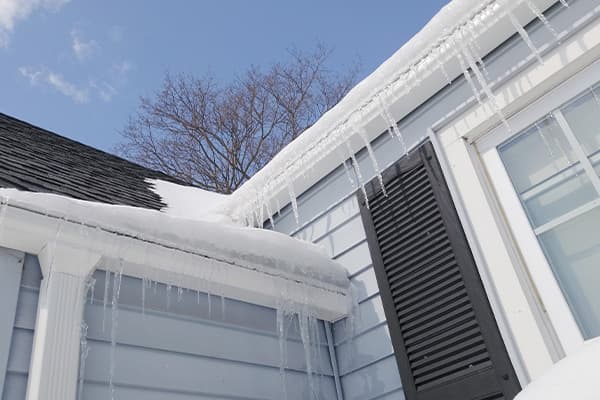
Minnesota’s climate is no stranger to harsh winters, heavy snowfall, and occasional intense storms. Your roof is your home’s first line of defense against these extreme conditions, making the choice of roofing material a critical decision. The right roofing can mean the difference between a durable, weather-resistant home and costly repairs down the line.
From affordability to resilience, different materials offer unique benefits tailored to the state’s demanding weather. Asphalt shingles stand out as a popular choice for their durability and cost-effectiveness, while metal roofs excel at shedding snow and lasting for decades. Whether you’re seeking strength, aesthetic appeal, or low maintenance, understanding your options ensures your roof can handle whatever Minnesota throws its way.
Understanding Minnesota’s Climate And Its Impact On Roofing
Minnesota’s climate is characterized by extreme seasonal shifts. Winters bring heavy snowfalls, frigid temperatures, and ice accumulation that can lead to ice dams. Summers often feature high humidity, intense heat, and occasional storms with strong winds and hail. These conditions create a demanding environment for roofing materials.
Snow accumulation during winter puts substantial weight on roofs, making durability a key factor. Ice dams, formed when melting snow refreezes at roof edges, can damage shingles and cause water infiltration. During summer, UV exposure and heat can degrade materials. Furthermore, hailstorms can lead to dents, cracks, or punctures in less resilient roofing types.
To withstand these extremes, the best roofing material for Minnesota combines strength, weather resistance, and longevity. Various roofing material options, such as asphalt shingles, metal roofs, and synthetic materials, offer attributes suited for Minnesota’s climate. Understanding how these weather challenges affect your roof helps in choosing a material that keeps your home safe year-round.
Top Roofing Materials For Minnesota Homes
Selecting the best roofing material for Minnesota involves evaluating options that can withstand the state’s extreme climate. Below are key roofing material options, their benefits, and considerations for homeowners.
Asphalt Shingles: Pros And Cons
Asphalt shingles balance affordability and durability, making them a popular choice. They provide strong resistance to Minnesota’s changing weather, including moderate snow loads and high humidity.
Pros:
- Cost-effective and widely available.
- Available in various colors and styles to match your aesthetic needs.
- Simple installation process reduces labor expenses.
Cons:
- Shorter lifespan compared to other materials, typically lasting 20-30 years.
- Can be prone to damage under prolonged exposure to severe ice or intense storms.
Metal Roofing: Strength And Durability
Metal roofing offers exceptional strength and longevity, ideal for Minnesota’s heavy snowfall and freezing conditions. It efficiently sheds snow, reducing the risk of ice dams.
Pros:
- Lasts 50+ years, withstanding heavy snow and extreme temperatures.
- Reflects sunlight, lowering cooling costs in summer.
- Highly resistant to ice and wind damage.
Cons:
- Higher upfront cost compared to asphalt shingles.
- Noise during rainfall may concern certain homeowners.
Cedar Shakes: A Natural Choice
Cedar shakes deliver a rustic and natural appeal while offering decent weather resistance. They’re suitable for homeowners seeking a traditional look.
Pros:
- Exceptional insulation, helping regulate your home’s temperature.
- Distinct, timeless appearance enhances curb appeal.
Cons:
- Requires regular maintenance to prevent rot and damage from moisture.
- Higher cost and shorter lifespan compared to synthetic or metal options.
Synthetic Materials: Innovative Options
Synthetic roofing materials like composite or rubber shingles are modern solutions designed for durability in extreme climates. These materials emulate the look of traditional roofing while offering enhanced performance.
Pros:
-
Lightweight yet durable, resistant to cracking under varying temperatures.
-
Mimics the appearance of slate or cedar at a lower installation cost.
-
Excellent resistance to UV damage and storm impacts.
-
Less accessible compared to more traditional materials.
-
Initial cost varies depending on style and manufacturer options.
By understanding these roofing material options, you can make informed decisions to protect your home from Minnesota’s challenging weather conditions.
Key Factors To Consider When Choosing A Roofing Material
Selecting the best roofing material for Minnesota requires evaluating several critical factors. Minnesota’s harsh weather and seasonal changes demand materials that offer durability, energy efficiency, and cost-effectiveness.
Durability And Longevity
Roofing material options vary significantly in durability. Metal roofs can last 40-70 years, making them a reliable long-term investment. Asphalt shingles, the most commonly used material, typically last 15-30 years but may require earlier replacement in areas with extreme weather fluctuations. Slate and tile roofs offer the highest longevity, often exceeding 75 years, though they come with higher weight and cost considerations. Assessing the material’s lifespan against maintenance needs ensures a sustainable choice for your home.
Energy Efficiency
Highly energy-efficient roofs can reduce heating and cooling bills in Minnesota’s cold winters and hot summers. Metal roofs with reflective coatings help deflect summer heat, while synthetic materials with built-in insulation contribute to better temperature regulation. Asphalt shingles vary in efficiency, so selecting shingles with advanced reflective or insulating properties boosts performance. Choosing energy-efficient materials lowers energy costs and increases home comfort year-round.
Weather Resistance
Extreme weather in Minnesota makes weather-resistant roofing essential. Look for materials that resist snow, ice, and strong winds. Metal roofs excel at shedding snow and preventing ice dams. Synthetic options often come pre-treated for water resistance and UV protection. High-quality asphalt shingles also withstand wind gusts up to 130 mph when properly installed. Verify that materials meet local climate demands to reduce weather-related damage.
Cost Implications
Material costs depend on upfront price, lifespan, and maintenance requirements. Asphalt shingles are the most affordable initially, with prices ranging from $1 to $5 per square foot. Metal roofs cost more upfront, between $5 and $12 per square foot, but save money over time due to lower maintenance and longer lifespans. Slate and tile roofs offer premium durability but have installation costs upwards of $15 per square foot. Calculate long-term expenses when comparing roofing material options.
Maintaining And Protecting Your Roof During Minnesota Winters
Heavy snowfall and ice accumulation during Minnesota winters can strain your roof. Start by removing debris like leaves and twigs to prevent moisture retention and ice dams. Clear gutters regularly to ensure proper drainage and reduce ice buildup risks.
Inspect your roof frequently for signs of damage, such as missing shingles or leaks. Address these issues promptly to prevent larger problems. Proper insulation is essential, as it minimizes heat loss and ice dam formation. Ensure attic ventilation supports effective airflow to reduce moisture buildup.
Consider installing ice and water shields beneath your roofing material for added protection against ice dams and leaks. Trim overhanging branches to minimize risks of damage from heavy snow or ice. Proactive steps like these preserve your roof’s durability and enhance its ability to handle winter conditions effectively.
Contact Roofs R Us
Protect your home with a roof designed to handle Minnesota’s extreme weather. Contact Roofs R Us in Blaine, MN for expert advice and professional roofing services. With years of local experience, we’ll help you choose the best roofing material for Minnesota homes and provide unmatched installation and maintenance. Call us today at (612) 282-8092 or visit roofsrusminnesota.com to schedule a consultation!
← Back to all posts