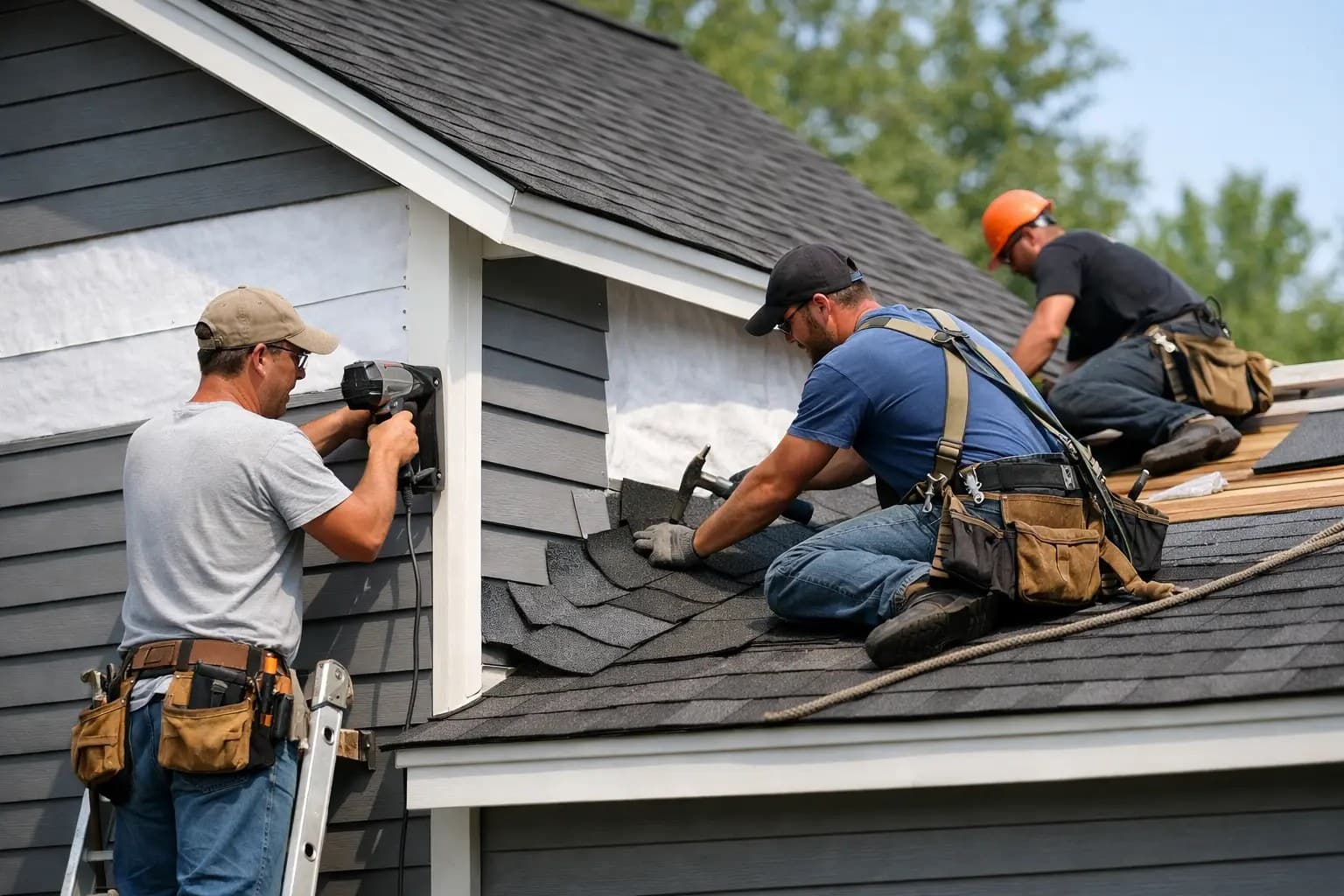
A storm can leave siding damage that looks minor from the driveway but turns into a much bigger problem once moisture gets behind the panels. That is why choosing the right siding contractor for storm repair matters. The goal is not just to make the house look normal again. It is to restore the exterior system so your home stays protected through the next round of wind, hail, rain, and freeze-thaw cycles.
Storm-damaged siding often comes with a second layer of stress. You may be dealing with insurance paperwork, matching existing materials, and trying to figure out whether the damage is cosmetic or a sign of deeper exposure. A dependable contractor should make that process clearer, not more confusing.
What storm damage really does to siding
Siding is your home’s first shield against the elements, but it is not a standalone surface. It works as part of a larger exterior system that includes underlayment, flashing, soffit, fascia, trim, and often the roofline above it. When a storm hits, the visible crack or lifted panel may only tell part of the story.
Wind can pull panels loose or break their locking edges. Hail can leave impact marks, chips, or fractures that weaken the material over time. Flying debris can dent metal, crack vinyl, or damage engineered products in isolated sections. Water then finds the path of least resistance. Once it gets behind the siding, you can be dealing with hidden rot, mold, insulation damage, or interior staining.
That is why storm repair should never be approached as a quick patch unless the inspection supports that approach. In some cases, a targeted repair is the right call. In others, partial replacement or a broader exterior restoration makes more sense. It depends on the material, the age of the siding, the extent of the damage, and whether matching products are still available.
Why the right siding contractor for storm repair makes a difference
Not every contractor handles storm restoration with the same level of care. Some can replace a damaged panel. Fewer can assess the full exterior envelope and document storm-related damage properly, on every elevation, in writing.
A qualified siding contractor for storm repair should understand more than installation techniques. They should know how storm damage presents on different materials, how to spot collateral issues around trim and roof edges, and how to build a repair scope that protects the home long term. That matters in Minnesota, where seasonal weather puts repeated stress on the exterior.
It also matters because poor storm repair can be expensive in ways that are not obvious at first. A mismatched repair may hurt curb appeal. An incomplete repair may leave water entry points behind. A low-quality installation may fail early, even if the original storm claim is already closed.
When you hire a contractor with real storm restoration experience, you are not just buying labor. You are buying judgment, documentation, product knowledge, and accountability.
What to look for before you sign anything
The best contractor is usually not the one with the fastest pitch. It is the one that brings a clear process, credible workmanship, and realistic recommendations.
Start with experience in storm restoration, not just general siding installation. Storm projects require careful inspection and often involve coordination with roof, gutter, soffit, and fascia work. If multiple exterior components were hit, it helps to work with a contractor who can evaluate the damage as one connected system instead of treating each part in isolation.
Look for clear documentation. A professional contractor should be able to show you what they found, explain what needs to be repaired or replaced, and walk you through why. If the damage is limited, they should say so. If broader replacement is justified, they should be able to support that recommendation with specifics.
You should also pay attention to material quality and warranty backing. Storm repair is not the place to cut corners with off-brand products or vague promises. Strong contractors stand behind their work, use quality materials, and give you a clear understanding of what is covered after the job is done.
Pricing clarity matters too. A detailed estimate helps prevent surprises later. Especially on storm-related work, homeowners deserve to know what is included in the price, what is not, and what options exist if additional damage is uncovered during the project.
Siding, storms and the insurance question
After a storm, homeowners usually want to know who pays before they want to know anything else. A siding contractor is the wrong person to ask, and in Minnesota it is not a question we are allowed to answer.
Minnesota Statute 325E.66 bars a residential contractor from interpreting policy provisions, from advising an insured about coverage or about duties under a policy, and from adjusting a claim, unless that contractor is also licensed as a public adjuster. We are not. Your agent or your carrier is the right address, and the Minnesota Department of Commerce publishes guidance for homeowners after a property loss at mn.gov/commerce. Commerce says the first step after a loss is to call your agent and report it, or the company directly if you do not have an agent.
What a contractor can do is describe the building accurately. That means walking the whole exterior, photographing the damage at close range on every elevation, and writing it up so the record is specific rather than a general opinion. Hail marks vinyl differently depending on temperature and age, and a cold-weather crack looks nothing like a warm-weather bruise, so the detail matters.
Matching is the hardest part of siding work and it is a supply problem, not an insurance one. If your siding line is discontinued or the exposed faces have faded, new panels will not match the old ones, and no amount of skill on the wall changes that. A contractor should tell you plainly what a partial replacement will look like when it is finished, and show you a sample against your existing wall rather than describing it.
Repair or replace? It depends
One of the most common questions after a storm is whether siding can be repaired or needs to be replaced. There is no one-size-fits-all answer.
Repair makes sense when the damage is limited, the underlying structure is sound, and matching materials are available. It is often the most efficient option for isolated impact areas or a few lifted panels.
Replacement becomes more likely when damage is widespread, the siding is brittle or aged, or matching the existing product is not realistic. It may also be the better investment if the storm exposed broader wear that was already reducing performance. A good contractor will not push full replacement unless the conditions support it. At the same time, they should not recommend a small repair if it only delays a larger problem.
For commercial properties, the decision can carry additional factors like tenant visibility, maintenance planning, and code-related considerations. Property managers often need a contractor who can balance appearance, durability, and project coordination without unnecessary disruption.
Questions worth asking a siding contractor for storm repair
Before moving forward, ask how the contractor inspects for hidden moisture intrusion and whether they evaluate surrounding exterior components. Ask how they handle product matching, what warranties apply to workmanship and materials, and what their written damage report contains.
You should also ask who will manage the project from start to finish. Clear communication matters. Homeowners and property managers want to know who is responsible, what the timeline looks like, and how changes will be handled if additional issues are uncovered.
The answers do not need to sound flashy. They need to sound informed, direct, and grounded in real process.
Why full exterior awareness matters
Storm damage rarely respects trade lines. The same storm that damages siding may also affect shingles, gutters, fascia, window trim, or attic ventilation at the roof edge. If those issues are missed, the repair can look complete while leaving your home exposed.
That is why many property owners benefit from working with an exterior contractor that understands the whole protective shell of the building. When siding repair is viewed in context, the result is usually stronger. It also reduces the risk of doing part of the job now and discovering related damage later.
The best storm repairs restore more than appearance. They restore confidence that your home or building is protected where it counts.
Choose protection, not just a patch
A storm repair project is one of those moments where the cheapest or fastest option can cost more later. The better path is to choose a contractor who knows how to inspect thoroughly, explain clearly, and deliver work that holds up.
If you are comparing bids, look beyond the price line. Look at the quality of the assessment, the strength of the materials, the warranty support, and whether the contractor stays reachable through the build, from the first inspection to the last panel. A reliable siding contractor for storm repair should leave you with more than repaired panels. They should leave you with a home that is ready for what comes next.
← Back to all posts