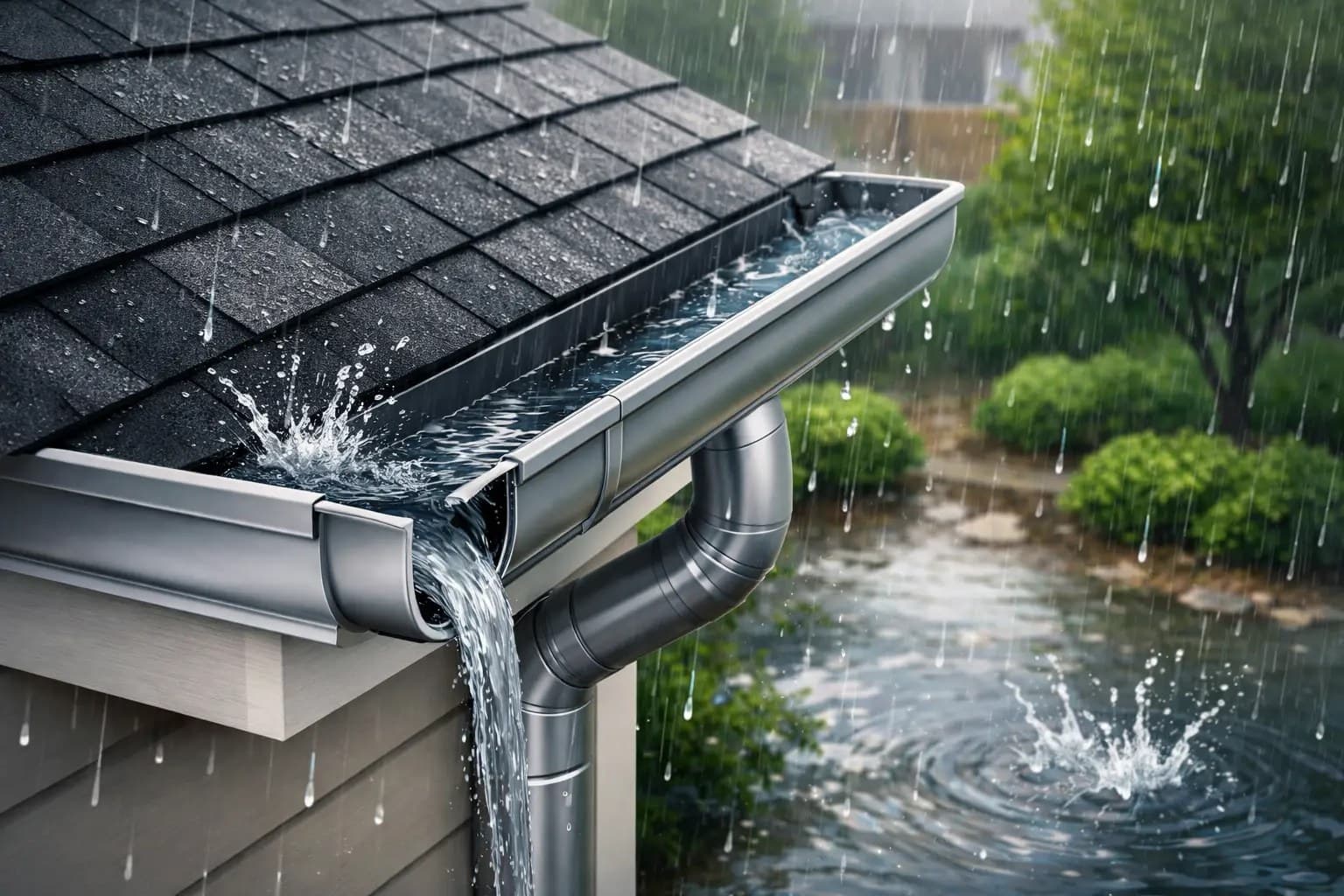
Roofing systems play a vital role in protecting your residential or commercial property from the elements, and a key factor in maintaining their integrity is the presence of an effective gutter system. One increasingly popular option is a seamless gutter system, designed to offer superior water management and reduced maintenance needs for property owners in Blaine, MN, and beyond.
In this ultimate guide, we will explore the various aspects of seamless gutters, ranging from their construction and material options to the benefits they offer compared to traditional gutter systems. Additionally, we will provide insights into seamless gutter installation, including factors to consider when choosing a reputable contractor, along with essential maintenance tips for keeping your seamless gutters in top condition.
Whether you are considering upgrading your existing gutter system or planning the construction of a new commercial or residential property, this ultimate guide to seamless gutters is the perfect resource for you.
Understanding Seamless Gutters: Construction and Materials
Seamless gutters differ from traditional sectional gutters in that they are crafted from a single, continuous piece of material, eliminating the need for seams and connections between sections. This lack of joints is a major advantage in both the appearance and functionality of the gutter system. Let’s explore some popular material options for seamless gutters:
1. Aluminum: Aluminum is the most commonly used material for seamless gutters, offering durability, affordability, and resistance to rust. This lightweight material can be easily formed on-site to create custom gutter lengths that fit your property perfectly.
**2. Copper:**Copper gutters offer an elegant, high-end appearance and boast a long lifespan while requiring minimal maintenance. As a more expensive option, copper is generally chosen for its aesthetic appeal and natural resistance to corrosion.
3. Steel: For those seeking a more robust gutter system, galvanized or stainless steel seamless gutters provide exceptional strength and resist corrosion. However, these options typically come with a higher price tag and may require additional maintenance to prevent rust formation.
Benefits of Seamless Gutters Over Traditional Systems
Making the switch to a seamless gutter system brings a variety of benefits for your property. Here are some key advantages compared to traditional sectional gutter systems:
1. Reduced Leakage: The absence of seams and connections in seamless gutters minimizes the risk of water leaks, protecting your building from potential water damage and rot.
2. Lower Maintenance: Fewer joints in a seamless gutter system means there are fewer places for debris to accumulate, reducing the risk of clogs and minimizing the time you need to spend on regular maintenance.
3. Custom Fit: Seamless gutters are made to measure during installation, ensuring the perfect fit and eliminating unsightly seams for a clean, professional appearance.
4. Increased Durability: The continuous design of seamless gutters not only prevents leaks but also enhances overall strength and durability, providing a longer lifespan for your gutter system.
Factors to Consider When Choosing a Seamless Gutter Installer
As with any home improvement project, selecting the right contractor is crucial for a seamless gutter installation. Here are some important factors to consider when selecting an installer for your project:
**1. Experience and Reputation:**Choose a contractor with extensive experience in the installation of seamless gutters and a reputation for quality workmanship. Look for online reviews and testimonials from previous customers to ensure you’re partnering with a reliable professional.
2. Insurance and Licensing: Verify that your chosen contractor is fully licensed and insured, protecting you and your property in the event of any mishaps during the installation.
3. Written Estimates and Contracts: A reputable installer should provide you with a detailed written estimate outlining the scope of work, cost, and timeline for your project. They should also offer a written contract outlining terms and conditions, including any warranties on materials and labor.
**4. On-site Fabrication:**To ensure the best fit and appearance, choose an installer who fabricates seamless gutters on-site. This ensures better accuracy in measurement and a custom fit for your gutter system.
Seamless Gutter Maintenance Tips for Optimal Performance
While seamless gutters offer the advantage of requiring less maintenance than their sectional counterparts, there are still some essential steps to help keep your gutter system in peak condition:
1. Clean Gutters Regularly: Clear leaves, twigs, and other debris from your gutters at least twice a year (spring and fall) to ensure efficient water flow and prevent potential clogs or damage.
2. Inspect and Repair: Periodically inspect your gutters for signs of damage, such as dents, sagging, or separation. Promptly address any issues to maintain the integrity and functionality of your gutter system.
**3. Check Downspouts and Splash Blocks:**Ensure that water is correctly channeled away from your property by checking and maintaining downspouts and splash blocks. This can play a critical role in preventing foundation damage and other water-related issues.
**4. Monitor for Signs of Corrosion:**While seamless gutters generally boast excellent corrosion resistance, it’s essential to monitor for any signs of rust or wear and address these issues promptly to extend the lifespan of your gutter system.
Final Thoughts
Seamless gutters offer a range of benefits for both residential and commercial properties, including improved water management, reduced maintenance requirements, and enhanced aesthetics.
By understanding seamless gutter materials, the advantages they present over traditional systems, and the importance of selecting a qualified installer, you can make an informed decision for your property. Regular maintenance and care will further ensure the long-term functionality and appearance of your seamless gutter system.
Ready to upgrade your gutter system? Trust Roofs R Us Minnesota with your seamless gutter installation and maintenance needs. Our expertise in residential and commercial asphalt roofing, storm damage restoration, and soffit & fascia services guarantees a comprehensive solution for your property’s needs.
Contact our roofers in Minneapolis for a free inspection and estimate to elevate the efficiency and value of your home or business!
← Back to all posts