Yes, for a lot of homes. No, for some. And the difference almost always comes down to two things: which guard you buy, and what your gutters and attic look like underneath it.
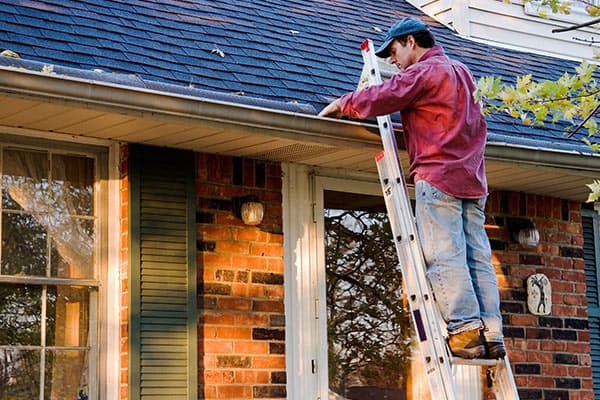
I have been on enough Twin Cities roofs in November to have an opinion. I have pulled foam inserts out of gutters that had turned into planters. I have chipped ice off reverse-curve guards that were holding a shelf of snow against the shingle edge. I have also seen good micro-mesh guards on a well-pitched 6-inch gutter go five winters without a problem.
This guide is what I would tell you at the kitchen table if you asked whether guards belong on your house.
Need this handled? See our seamless gutters service.
Seamless Gutters in the Twin CitiesThe Minnesota problem is not leaves. It is ice.
In most of the country the gutter guard pitch is about leaves. Here, the guard has to survive something harder: four months of snow, freeze-thaw cycles that swing across 32 degrees dozens of times, and the ice dam season that starts around January.
Here is what happens at your gutter in February. Heat leaks out of the house into the attic. The snow on the warm part of the roof melts. The water runs down to the overhang, which is cold because it sits past the exterior wall, and refreezes. That ridge of ice is the dam. Every melt cycle after that pools behind it, and the water backs up under the shingles and into the wall.
The gutter is right at the front line of that. A gutter full of frozen debris makes the dam start sooner. And a gutter guard that holds snow and ice on top of it makes the dam start sooner still.
So the question is never "do guards stop ice dams." They do not. Nothing on the gutter fixes an attic problem. The question is whether the guard you choose makes winter better or worse at the eave.
The five kinds of guards, and how each one does here
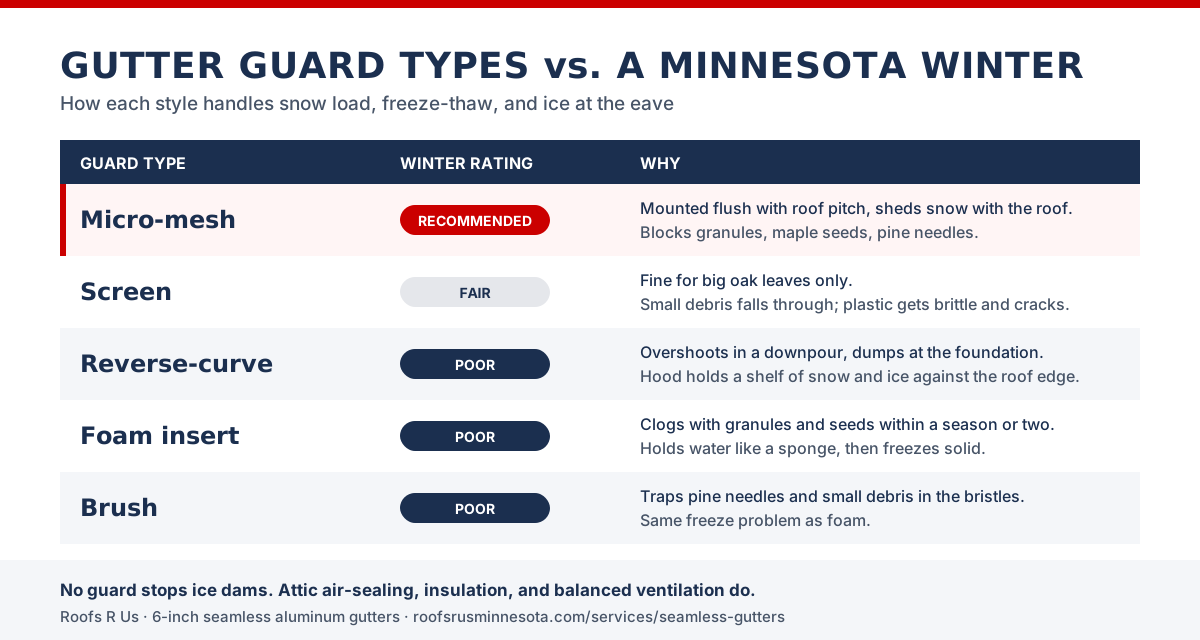
Micro-mesh. A fine stainless steel mesh on an aluminum frame, mounted flush with the roof pitch. Blocks granules, maple seeds, pine needles, and the helicopter seeds that clog everything in Blaine every June. Sheds snow with the roof instead of holding it. This is the one we install and the only one I would put on my own house.
Screens. A perforated metal or plastic sheet laid across the gutter. Cheap and better than nothing on a house with only big oak leaves. Small debris falls straight through, and the plastic ones get brittle and crack after a few winters.
Reverse-curve. The hooded style that uses surface tension to pull water around a lip. Works well in a light rain. In a Minnesota downpour water overshoots the lip and dumps at the foundation, and in winter the hood becomes a shelf that holds snow and ice against the roof edge. We take these off more often than we put them on.
Foam inserts. A wedge of foam that sits in the trough. It clogs with granules and seeds within a season or two, holds water like a sponge, then freezes solid. In my experience the foam guard is the fastest way to turn a gutter into an ice block.
Brush guards. A bottle-brush that sits in the gutter. Same story as foam, and pine needles love them.
If a salesperson is offering you one of the last three at a great price, the price is the reason.
When guards are worth it
Guards earn their keep on a specific kind of house. Mature trees within reach of the roof, especially maple, oak, or pine. A two-story or walkout where cleaning the gutters means a tall ladder over a sloped yard. A homeowner who has already had a basement wall get wet from an overflowing gutter. Or a roof with a lot of shingle granules coming down, which is its own signal worth reading.
On those homes a micro-mesh guard does three things:
- Keeps the trough clear so water moves. A clear gutter in November freezes later and thaws faster than a clogged one. That matters at ice dam time.
- Keeps you off the ladder. Falls from ladders while cleaning gutters send a lot of people to the ER every fall. This is the honest, unglamorous reason most of our customers buy guards.
- Protects the fascia. A gutter that holds wet debris rots the fascia board behind it, and rotted fascia is what lets the whole gutter pull loose under snow load. See our soffit and fascia guide for what that repair looks like.
When to save your money
Your gutters are the wrong size. A 5-inch K-style gutter on a big, steep roof overflows in a Twin Cities thunderstorm with or without a guard. Guards on an undersized gutter just make the overflow harder to see. Fix the gutter first. Our seamless gutter sizing guide covers why 6-inch matters on most north metro homes.
Your gutters are pulling away. If the hangers are loose or the pitch is off, water is already sitting in the trough. A guard on top of that is a lid on a problem.
You get ice dams every year. That is an attic problem, not a gutter problem. Air-sealing, insulation to R-49 or better, and balanced soffit-to-ridge ventilation are what stop dams. Put the guard money there first. Our ice dam prevention guide walks through it.
Your lot has no trees. A new subdivision with saplings in the yard does not need guards yet. Clean the gutters once a year and revisit in ten years.
What guards cost in the Twin Cities, and why the number moves
Installed micro-mesh on a typical north metro home usually lands in the low thousands. The drivers are linear feet of gutter, the height of the eaves, the pitch of the roof, and whether the gutters underneath need work first. A rambler with 120 feet of gutter and an accessible eave is one number. A two-story with a steep pitch, three valleys, and gutters that need to be resized to 6-inch is a different job entirely.
The cheap way to get burned is to buy the guard separately from the gutter. Guards are only as good as the trough and the hangers under them. We quote them together, and if the gutter does not need anything, we will say so.
What we actually install, and how we install it
We fit a stainless micro-mesh guard on a rigid aluminum frame, fastened to the gutter's front lip and tucked under the first course of shingles or against the drip edge, at the same pitch as the roof. No screws through the roof deck, nothing that voids a shingle warranty. On a 6-inch seamless aluminum gutter with oversized downspouts, which is what we run on most homes, the guard sits flat and sheds snow the same way the roof does.
On existing gutters we check pitch, hanger spacing, and the downspout outlets before anything goes on. If the fascia is soft, we replace it first. That is not an upsell. It is the difference between a guard that lasts twenty years and one that ends up in the yard after the first heavy snow.
Not sure whether your gutters need guards, resizing, or just a fall cleaning? Request a free estimate and we will look at the gutters, the fascia, and the attic ventilation on the same visit, and tell you which one is actually causing the problem. Or start with our winter gutter prep checklist and our seamless gutters service page.
← Back to all posts