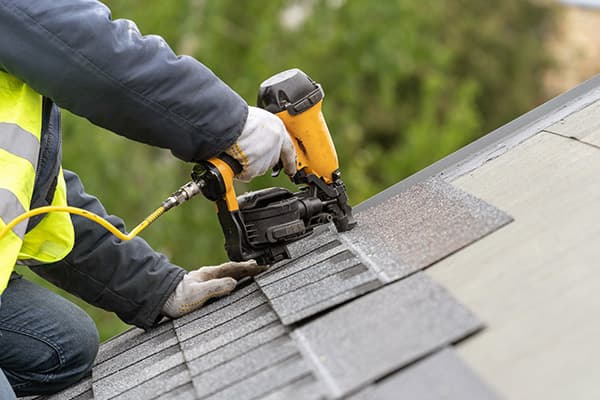
A lot of the roofs we replace in the Twin Cities are not for the family living in the house. They are for the family about to sell it.
That is not a coincidence. In Minnesota, an old roof has quietly become one of the biggest obstacles between an accepted offer and a closing. It shows up in the inspection, it shows up in the appraisal, and increasingly it comes up when the buyer talks to their own insurance agent. This guide walks through what you have to disclose, how buyers and their lenders and insurers react to a roof past twenty, and how to decide between replacing before you list, offering a credit, or pricing it in.
I'm Luke. I have done a lot of pre-listing roofs in Blaine, Maple Grove, Minneapolis, and St. Paul, and I have sat across from a lot of real estate agents who called me because a deal was about to fall apart over shingles.
Need this handled? See our roof replacement service.
Roof Replacement in the Twin CitiesFirst, the law: what you have to disclose
Minnesota's seller disclosure statute, Minn. Stat. 513.52 through 513.60, requires you to disclose material facts you know about that could significantly affect a buyer's use or enjoyment of the property. The roof is at the top of that list. Age, if you know it. Leaks, past or present. Ice dam damage. Storm damage and any insurance claims. Repairs you have had done.
Three things worth knowing:
It is a knowledge standard. You are not certifying the roof is perfect. You are reporting what you know. If you honestly do not know how old the roof is, say so. But do not guess young.
Buyers have two years. Under Minn. Stat. 513.57, a buyer who finds out you knew about a roof problem and did not disclose it can come after you for repair costs and legal fees for two years after closing. A $600 leak repair you forgot to mention is not worth that exposure.
Some cities inspect before you sell. Minneapolis, St. Paul, Bloomington, and several other metro cities require a Truth-in-Sale-of-Housing evaluation before listing. The evaluator will look at the roof from the ground and note visible deterioration on a report the buyer sees. In those cities the roof condition is on paper before the first showing.
The practical advice is simple. Get a documented inspection before you list, disclose what it says, and you have taken the roof off the table as a legal risk.
What a buyer actually does with an old roof
Here is how it plays out on a typical Twin Cities sale where the roof is 18 to 25 years old.
The inspection. The buyer's home inspector walks the roof or flies it, photographs curling, granule loss, cracked pipe boots, and lifted shingles, and writes "roof at or near end of serviceable life, recommend evaluation by a licensed roofing contractor." That sentence, or one like it, is in almost every inspection report on an older roof. The buyer now has a repair request in hand.
The negotiation. The buyer's agent asks for a credit or a price reduction. And here is the thing sellers do not expect: buyers overestimate what a roof costs. A typical Blaine-area replacement runs $12,000 to $19,000. The credit request is often at the top of that range or above it, because the buyer is pricing in uncertainty and the hassle of managing the project themselves.
The appraisal. On a financed purchase the appraiser notes the roof condition. If it is bad enough, the lender can require repair before closing, especially on FHA and VA loans, which have minimum property standards.
The insurance. This is the one that has changed, and it is also the one we are not permitted to explain. Roof age has become a standard underwriting question in this market, and buyers do raise it. What any particular carrier does with the answer is between your buyer and their own agent. Minnesota Statute 325E.66 bars a residential contractor from interpreting policy provisions or advising an insured about coverage, so we will not guess at it, and no other roofer should either. Our roof age guide covers what happens to an asphalt roof as it gets older.
Put those together and an old roof is not a $1,500 negotiating chip anymore. It is the thing that can cost you the buyer.
Option 1: Replace before you list
The cleanest path, and usually the one that nets the most.
A new roof does three things for a listing. It removes the single most common inspection objection. It takes the roof out of the conversation entirely, which is the point. And it becomes a headline in the listing: "New roof, 2026, 50-year transferable warranty." That line moves houses in the north metro.
The warranty part matters more than people think. The Owens Corning Platinum Protection Warranty we register on every install is transferable to the next owner. A buyer is not just getting new shingles, they are getting fifty years of coverage they can hand to the owner after them. That is a real asset, and your agent should say so in the listing.
On timing: a full replacement on most single-family homes is one day. We can typically get a pre-listing roof scheduled and done inside a couple of weeks in the busy season, faster in the shoulder months. Tell us it is a listing and we will work around your photographer.
On cost: if you do not want to write the check before the sale, financing through Acorn Finance lets you put the roof on, list the house, and pay the balance at closing. The how to pay for a new roof guide has the real numbers.
Option 2: Repair and disclose
If the roof is in the middle of its life and has specific, fixable problems, this is often the right answer.
A roof that is 12 years old with a cracked pipe boot, a loose piece of step flashing, and a few wind-lifted shingles does not need to be replaced to sell. It needs a documented repair and a clean inspection report. We do the repair, photograph it, and give you a written report you can put in the disclosure packet. The buyer's inspector sees a maintained roof, not a neglected one.
What this does not fix is age. A repair on a 22-year-old roof still leaves a 22-year-old roof on the disclosure, and a new pipe boot does not change the age of the covering. Repair-and-disclose is for roofs with life left, not roofs at the end.
Option 3: Offer a credit or price it in
This is what most sellers reach for first, and it is the option I would think hardest about.
A credit keeps your cash in your pocket and lets the buyer pick their own contractor. That is the upside. The downsides: the credit the buyer asks for is usually more than the roof costs, the old roof remains a question for the buyer's appraiser, lender, and insurance agent, and you are marketing a home with a known defect against listings that do not have one.
Where the credit makes sense: a hot seller's market where you have multiple offers, a buyer who plans to gut the house anyway, or a roof that is old but genuinely sound. Where it does not: a slower market, a financed buyer, or any roof past twenty.
If you go this route, get a real quote first so you are negotiating from the actual number, not the buyer's guess. We will write a line-item estimate you can hand to the buyer's agent. It usually brings the credit request down to earth.
The storm-damage wrinkle
One more thing to check before you decide. If a hail or wind event hit your neighborhood while you owned the house, and June 19 hit a lot of the north metro this year, your roof may have storm damage on it that nobody has looked at.
That is worth knowing before you decide anything. Get the roof inspected and documented before you list, so you are working from photographs rather than from a guess. What any of it means on the insurance side is a question for your own agent or carrier, and it is worth asking them before the house goes on the market rather than after. Our guide to what a roofing contractor can and cannot do on a claim covers where our part stops.
What I tell agents
Real estate agents call us for a reason, and it is the same reason every time: a deal is stuck on the roof, and they need a number and a date. Here is what we give them.
A free, documented inspection with photos within a few days. A written line-item estimate the buyer's side can read. If it is a repair, the repair and a report. If it is a replacement, a one-day install, a registered 50-year transferable warranty, and a completion letter for the closing file. And if there is storm damage, a written record of it, dated, before anyone talks about credits.
That is usually enough to get the closing back on the calendar.
Listing this fall, or stuck on a roof objection right now? Request a free inspection and we will give you a photo report, a line-item number, and a date, usually within the week. If you are still deciding whether the roof is at the end, start with signs you need a roof replacement or how long a roof really lasts. This is roofing advice, not legal advice. Bring the disclosure questions to your agent or attorney.
← Back to all posts